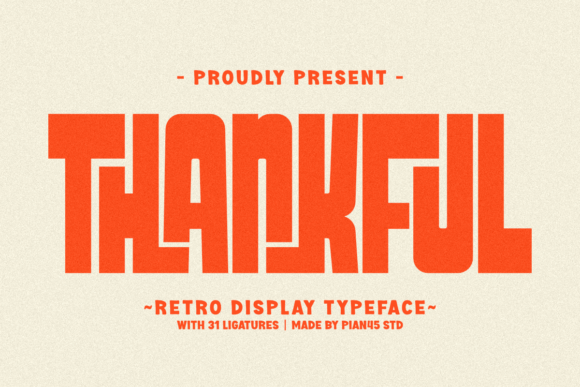
Thankful: A Chunky Retro Display Typeface for Seasonal Charm
When you're building a visual identity for a holiday campaign or a vintage-inspired brand, you need a typeface that carries emotional weight. Thankful is a bold, chunky Retro Display Typeface that radiates warmth and holiday nostalgia. Its massive, blocky structure with soft curves and playful ligatures makes it a standout choice for projects that need to feel festive, familiar, and fun. This isn't a quiet, subtle font; it's designed to make a statement, capturing the spirit of community gatherings, cozy celebrations, and the bold aesthetics of the 1970s.
The Personality and Visual Appeal of Thankful
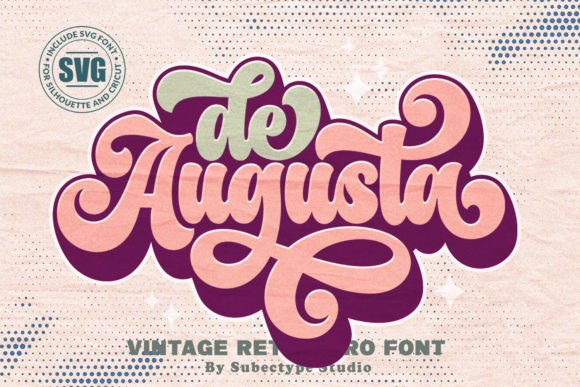
At its core, Thankful is defined by its substantial, blocky letterforms. This isn't just about size; the character shapes have a softness to their edges and a slight retro curvature that prevents them from feeling harsh or overly industrial. The "chunky" descriptor is literal—the strokes are thick and confident, giving any text a powerful presence on the page or screen. This visual weight makes it inherently readable at large sizes, which is the primary function of any effective display font.
The personality of the Thankful typeface is one of joyful nostalgia. It evokes the feeling of vintage holiday decorations, classic Thanksgiving advertisements, and the bold typographic styles that defined mid-century and 70s graphic design. The inclusion of playful ligatures adds a unique, custom touch. These special character combinations can be used to create more fluid and interesting word shapes, adding a layer of sophistication and craft to your logo design or headline. It’s a creative font that balances boldness with a welcoming, approachable vibe.
Where This Bold Typeface Truly Shines
Understanding where a font like Thankful works best is key to using it effectively. Its style is inherently thematic, which makes it a powerful tool for specific applications but less suitable for others. Think of it as a specialist in your design assets toolkit.
- Seasonal Branding and Marketing: This is Thankful's sweet spot. For Christmas promotions, Thanksgiving festival branding, autumn harvest markets, or any event centered around gratitude and celebration, it sets the tone instantly. It’s perfect for event posters, flyers, social media announcement graphics, and email headers that need to capture attention quickly.
- Merchandise and Apparel: The bold, simple shapes of this premium font translate exceptionally well to physical products. Consider it for vintage-style t-shirts, tote bags, mugs, and holiday merchandise. Its chunky structure ensures legibility on fabric and makes for striking, memorable apparel designs.
- Packaging and Editorial Design: In packaging design, especially for seasonal food items, craft products, or gift boxes, Thankful can be used for product names or call-out phrases on the box. In editorial design, it’s ideal for the title of a magazine spread about holiday cooking, a chapter opener in a cookbook, or the cover of a festive newsletter.
- Digital and Web Applications: While not for body text, it can be a dynamic choice for website hero sections, landing page banners, and social media graphics during the holiday season. Its visual impact is immediate, making it great for capturing the festive mood online.
Guidance for Using Thankful in Your Projects
Integrating a strong display typeface like this into your work requires a thoughtful approach. Here’s how to evaluate its fit and use it to enhance your brand identity.
Evaluating Project Fit and Tone
First, ask if your project’s tone aligns with Thankful’s personality. Is it celebratory, nostalgic, or community-focused? For a sleek, modern tech startup or a serious financial report, this font would be a mismatch. But for a bakery’s holiday menu, a community center’s fall festival, or a children’s charity Christmas drive, it’s a perfect fit. It helps build an emotional connection with the audience by tapping into shared cultural memories of holidays and gatherings.
Font Pairing and Hierarchy
A great font pairing creates contrast and balance. Since Thankful is a bold, retro display font, it should be paired with something more neutral and readable for longer text. A clean sans serif font works beautifully. Think of a simple, geometric sans serif for subtitles or body copy. This creates a clear visual hierarchy: Thankful grabs attention for the headline, while the paired font delivers the supporting information clearly. Avoid pairing it with another highly decorative script font or handwritten font, as this can create visual clutter and undermine professionalism.
Practical Considerations: Styles and Licensing
Before purchasing or using any commercial font, review its full character set and included styles. Does it have the punctuation and symbols you need? Are the playful ligatures easily accessible? Test it with your key words to see how the letterforms interact. Furthermore, always verify the licensing. If you’re using it for a client’s commercial products, merchandise, or a paid publication, you need to ensure the license covers commercial use. This is a critical step for maintaining consistency and legal compliance in professional work.
Readability and Application
Remember, Thankful is a display typeface. This means it’s engineered for impact at large sizes, not for readability in paragraphs. Use it for headlines, titles, logos, and short, impactful phrases. Never set a full paragraph of body copy in a font like this; it will fatigue the reader and diminish the message. Its strength is in creating a mood and visual hierarchy, not in sustained reading. When used correctly, it elevates the design, making it feel more considered and emotionally resonant, which in turn boosts audience engagement.
In the world of modern typography, having a reliable, thematic creative font like Thankful in your library is invaluable. It provides a quick and effective way to inject warmth, nostalgia, and bold character into a wide range of design projects, from web design to print materials. Its strength lies in its clear personality and its ability to connect with audiences on an emotional level, making it a powerful tool for any designer, marketer, or creator working on seasonal or retro-themed projects.