Old Vintage Victorian: Capturing Bygone Elegance
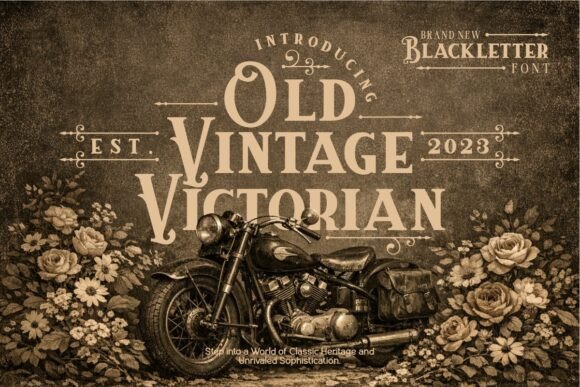
There’s a specific feeling you get when you run your fingers over a leather-bound book from the late 1800s or walk past a brownstone with intricate ironwork. It’s a sense of weight, history, and undeniable elegance. That is the exact atmosphere Old Vintage Victorian brings to the table. This isn’t just a collection of letters; it is a premium font designed to transport your audience to an era of gas lamps and hand-crafted typography. For designers, entrepreneurs, and creatives looking to add a layer of narrative depth to their work, this display font offers a bridge between modern utility and historical artistry.
The Anatomy of Victorian Typography
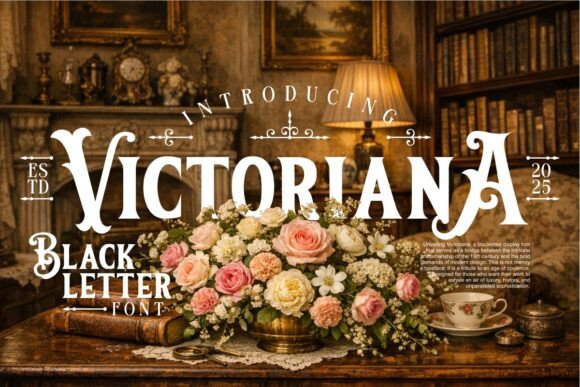
To appreciate what Old Vintage Victorian does, it helps to understand the era it represents. Victorian typography was rarely quiet. It was bold, decorative, and unapologetically ornate. This serif font captures that spirit through high contrast strokes and elaborate detailing. You’ll notice the subtle curves and the way the terminals end with a distinct flair, distinguishing it from the rigid geometry of modern sans serifs.
However, the beauty of this typeface lies in its balance. While it possesses the complexity of a script font, it maintains the legibility required for functional design. It doesn’t scream for attention in a chaotic way; rather, it commands respect. The personality of Old Vintage Victorian is one of authority mixed with nostalgia. It feels familiar yet fresh, making it a versatile tool in any designer's arsenal of design assets. Whether you are working on a logo design for a high-end brand or creating social media graphics that need to stop the scroll, this font provides a visual anchor that feels substantial and trustworthy.
Practical Applications for Modern Creators
Knowing a font is beautiful is one thing; knowing how to use it is another. The real value of Old Vintage Victorian lies in its adaptability across different mediums. It shines brightest in projects where atmosphere is key.
For those in the hospitality industry—think craft breweries, boutique hotels, or steakhouses—this font is a natural fit for packaging design and menus. It suggests heritage and quality craftsmanship. Similarly, in editorial design, using Old Vintage Victorian for pull quotes or chapter headings can instantly elevate a magazine spread or a book cover, giving it that coveted "classic" feel. It moves beyond standard modern typography to offer something with more soul.
Here are a few specific scenarios where this font excels:
- Wedding Stationery: The elegance of the font mimics traditional engraving, perfect for formal invitations.
- Apparel & Merchandise: It translates exceptionally well to embroidery and screen printing, especially for vintage-style t-shirts or tote bags.
- Digital Branding: Used sparingly in web design, such as in headers or hero sections, it can give a modern site a sophisticated, bespoke look without slowing down the user experience.
- Signage: Its high legibility at larger scales makes it ideal for window decals and event signage.
Mastering Font Pairing and Hierarchy
One of the most common mistakes with ornate fonts is using them for body text. Old Vintage Victorian is a display font, meaning it is built for impact, not for reading long paragraphs. To create a professional layout, you need to pair it correctly. Because Old Vintage Victorian has such a strong personality, it requires a supporting cast that knows when to step back.
A great rule of thumb is to pair this creative font with a clean, neutral sans serif font. The contrast between the decorative Victorian details and the geometric simplicity of a sans serif creates a dynamic visual hierarchy. This ensures your headlines grab attention while your body copy remains easy to scan. Alternatively, if you want a more rustic vibe, pairing it with a subtle handwritten font can soften the formality, making it suitable for lifestyle blogs or artisanal product labels.
When building your brand identity, consistency is king. Old Vintage Victorian can serve as the cornerstone of a visual system that communicates tradition and reliability. It helps in building recognition because the letterforms are so distinct. When customers see that font, they immediately associate it with the specific "old-world" quality of your brand.
Technical Considerations and Licensing
Before integrating any new asset into a project, practical evaluation is necessary. First, consider the medium. While Old Vintage Victorian is stunning on screen, if you are planning to use it for embroidery or laser cutting, ensure your production team can handle the intricate details of the serifs. Sometimes, simplifying the design slightly is necessary for physical production.
Second, always check the licensing. If you are using Old Vintage Victorian for a client’s commercial packaging or a mass-produced merchandise line, you need to ensure you have the appropriate commercial font license. Free fonts often come with restrictions that can cause legal headaches down the road. Investing in a legitimate license protects your business and supports the typographers who craft these design assets.
Finally, test your kerning. Display fonts often require manual adjustment of letter spacing to look perfect in logos or large headlines. Don’t rely solely on the default metrics; take the time to tweak the spacing to ensure the visual flow is seamless.
Conclusion: Evoking Emotion Through Design
In a digital landscape often dominated by sterile minimalism, Old Vintage Victorian offers a welcome return to personality and depth. It is more than just a font; it is a storytelling device. By incorporating this vintage style font into your work, you aren’t just choosing a typeface—you are choosing to evoke a specific emotion. Whether you are a small business owner looking to define your niche or a designer crafting a bespoke invitation, this font provides the tools to create something truly memorable. Embrace the history, respect the details, and let your typography speak volumes.